
True Cost of Food: Multi-Stakeholder Platforms
Discover our initiatives to bring onboard multiple stakeholders
Multi-Stakeholder Platform
Food systems involve complex challenges that span across economic, social, and environmental dimensions. These challenges cannot be solved by a single group of stakeholders alone. Everyone has a role to play in developing solutions, from the farmer who grows the food to the consumer who eats it. A multi-stakeholder approach ensures that responsibilities are shared and decisions are fair, considering the needs of all affected groups.
The aim of the multi-stakeholder platform is to improve understanding of the Swiss food system and to co-create a shared vision for a sustainable Swiss food system. Special consideration will be given to the limits of the global ecosystems, the people’s wellbeing, and fair distribution within and between generations. Guided by this common vision, we will develop, together with stakeholders along the food value chain, policy makers, researchers, and NGOs, potential implementation pathways of True Cost Accounting for Food in Switzerland.
If you would like to learn more about the multi-stakeholder platform, please contact gehrpbfgbssbbq@havy.pu.
In the build-up of TRUE-COST-CH, project member institution E4S has already organized two multi-stakeholder workshops, called E4S Action Labs, to initiate the debate on True Cost Accounting for Food. An Action Lab is an engaging and interactive format gathering stakeholders from different sectors (public, private, civil society) and offering a space where they can debate around a specific topic. Discover them by watching the videos and reading the summaries below.
First Action Lab in Bern, 13 October 2022
Read the Summary of the First E4S Action Lab
Second Action Lab in Bern, 29 August 2023
Building on this foundation, the TRUE-COST-CH project now organizes workshops to deepen the dialogue and co-create actionable pathways for implementing True Cost Accounting for Food in Switzerland.
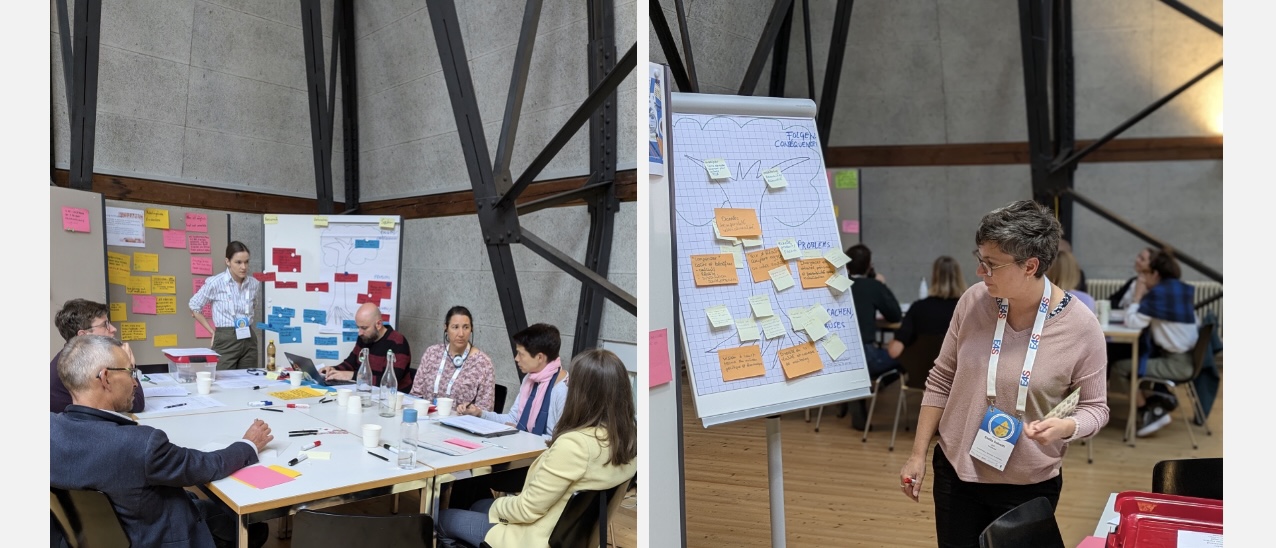
Development of measures 10 October 2024 – Bern The first TRUE-COST-CH workshop marked the collective launch of the project’s participatory phase. Building on the insights and discussions from previous Action Labs, it brought together representatives from agriculture, industry, public administration, research, and civil society to explore a central question: how can “true cost” be translated into concrete and actionable measures within the Swiss food system? The workshop unfolded in two parts: an introductory session on the foundations of True Cost Accounting for Food (TCAF), followed by interactive group work analyzing challenges and developing initial ideas for action in six thematic areas: public policy, consumption behavior, voluntary sustainability standards, private-sector implementation, convergence of movements, and research and methods. The discussions led to the identification of a first set of practical measures, later structured into four key action fields: public policy; consumption and civil-society engagement; agriculture; and industry, trade, and gastronomy. The “research and methods” field was recognized as a cross-cutting foundation for all other actions. These measures now form an evolving roadmap, to be refined and prioritised as the project progresses, aiming to foster the effective integration of TCAF into Swiss food policies and practices. Workshop 1
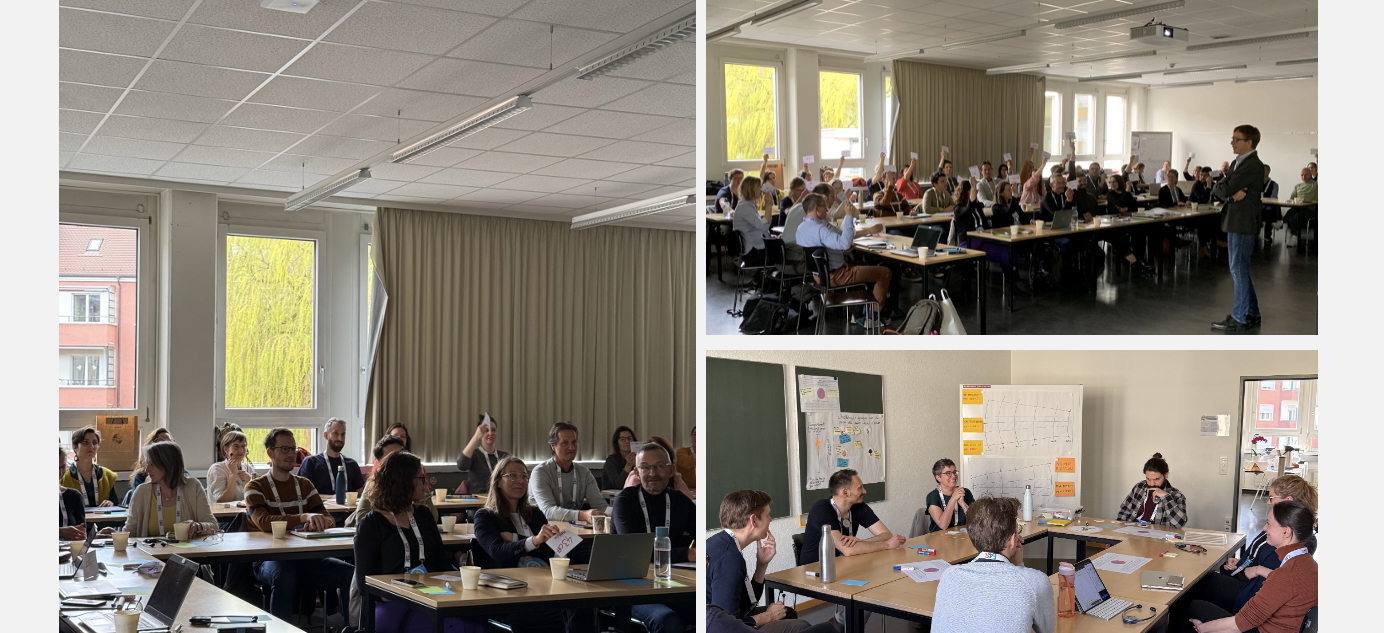
Visioning and Backcasting 27 March 2025 – Bern The second TRUE-COST-CH workshop built on the momentum of 2024, once again gathering actors from across the Swiss food system to co-create a shared vision for a healthy and sustainable food system by 2050. Based on the results of the first workshop, participants deepened the True Cost Accounting for Food concept through an engaging visioning and backcasting exercise, combining group discussions and forward-looking reflection. Following an introduction presenting the project’s early results — including the coffee case study — participants worked in five thematic groups: research and methods, public policy, agriculture, industry-retail-catering, and consumption and civil society. Together, they designed roadmaps outlining the main levers, measures, and interlinkages needed to enable systemic transformation. The discussions highlighted a systemic vision: research and public policy provide the methodological and regulatory foundations for transparent cost accounting; agriculture and industry adapt their practices through standards, labels, and transparency; while civil society and consumers support the transition through education, advocacy, and demand for coherence. These roadmaps, detailed in the full summary, offer an integrated framework for action to accelerate Switzerland’s transition toward a fair, sustainable, and true-cost-based food system. Workshop 2